Best Time to Take Protein: Does Protein Timing Actually Matter?
Should you take protein before your workout? After your workout? In the morning? Before bed?
If you’ve ever started taking protein powder, you’ve probably heard at least one version of the famous rule:
“You have to drink protein within 30 minutes of your workout.”
Miss that window and apparently your gains disappear. Thankfully, your muscles are not operating on a 30-minute stopwatch. Protein timing does matter to some extent, but it is nowhere near as complicated as social media makes it sound.
For most people, the bigger priority is much simpler:
Get enough protein consistently throughout the day.
Once that is covered, when you consume your protein can be used to fine-tune your nutrition around your training, appetite and lifestyle.
Let’s break it down.
What Is Protein Timing?
Protein timing simply means when you consume your protein during the day in relation to your meals, exercise and sleep.
For example:
- Protein at breakfast
- Protein at lunch
- Protein before training
- Protein after training
- Protein at dinner
- Protein before bed
The idea behind protein timing comes from the fact that eating protein increases the availability of amino acids and stimulates muscle protein synthesis (MPS). Resistance training also stimulates muscle protein synthesis. So researchers have been interested in whether eating protein at a particular time around exercise can improve muscle growth or recovery.
But there’s an important distinction:
Protein timing is not the same thing as protein intake.
If you’re eating 50 grams of protein a day when you need substantially more, drinking a protein shake at the “perfect” time isn’t going to fix the problem.
What Matters More: Total Protein or Timing?
For most people, total daily protein intake is the foundation.
Imagine two people.
Person A
- Eats enough protein every day
- Gets protein across several meals
- Trains consistently
- Sleeps reasonably well
- Takes their protein shake whenever it fits their schedule
Person B
- Eats very little protein all day
- Has one giant protein shake after training
- Obsessively follows a 30-minute post-workout window
Person A has the more sensible approach.
The exact timing of individual protein servings is secondary to getting an adequate amount of protein consistently.
This is why the first question shouldn’t be:
“When should I drink my protein?”
It should be:
“Am I getting enough protein every day?”
Is There Really a 30-Minute Anabolic Window?
This is probably the most famous protein myth in the fitness world.
You’ve probably heard something like:
“You have only 30 minutes after your workout to consume protein.”
The reality is considerably less dramatic. Your body doesn’t suddenly stop responding to protein 31 minutes after you finish your final set. Exercise can increase the muscle’s responsiveness to dietary protein for a period of time, and the relationship between exercise and nutrition is influenced by factors such as what you ate before training, the amount of protein consumed and the type of exercise performed. So instead of thinking about a tiny “anabolic window,” it’s more useful to think about a broader period around your workout.
If you ate a protein-rich meal a couple of hours before training, there is already amino-acid availability during and after your workout. You don’t necessarily need to sprint to the kitchen and throw a scoop of protein into a shaker the second you put your weights down.
So, Should You Take Protein After a Workout?
It can be convenient, but it isn’t mandatory to drink it immediately.
A protein-rich meal or shake after training is a practical way to contribute to your daily protein target. For example, if you finish your workout at 7 PM and haven’t eaten since lunch, having protein after training makes a lot of sense. But if you had a proper protein-rich meal before your workout, the urgency is much lower. This is an important distinction.
Post-workout protein is useful.
The idea that you have only 30 minutes to consume it is exaggerated.
What About Protein Before a Workout?
Protein before exercise can also be useful. Having protein before training means amino acids from that meal can be available around the time you’re exercising. For example, suppose you train at 6 PM. You could have a balanced meal containing protein around 2–4 hours before your workout, depending on your digestion and meal size. Or you could have a smaller protein-containing snack closer to training if that’s more comfortable for you. There isn’t one universal schedule that works for everybody. Your digestion, meal size, training time and personal preference matter.
Protein Before vs After Workout: Which Is Better?
This is where people often expect a clear winner. But the difference isn’t nearly as dramatic as fitness marketing sometimes suggests. Both pre- and post-workout protein can contribute to the availability of amino acids around training. And when your total daily protein intake is adequate, the precise timing becomes less important.
So instead of asking:
“Should I take protein before or after my workout?”
a better question is:
“Which timing helps me consistently hit my daily protein target?”
If you like having a shake after training because it’s convenient, do that. If you prefer having protein before training, that’s fine too.
What Is the Best Time to Take Protein?
For most people:
The best time is the time you can consistently fit into your diet.
That might be:
Breakfast
if you struggle to eat protein in the morning.
After your workout
if a shake is convenient when you leave the gym.
Between meals
if your normal meals don’t provide enough protein.
Before bed
if you need an easy way to increase your daily intake.
There is no magical clock time at which protein suddenly becomes more effective.
Should You Have Protein in the Morning?
Breakfast can actually be a useful opportunity to increase protein intake. Many common breakfasts are dominated by carbohydrates and provide relatively little protein. For example, a meal might contain:
- Dosa
- Idli
- Bread
- Poha
- Upma
These foods can absolutely be part of a healthy diet.
The issue isn’t that carbohydrates are “bad.” The issue is simply that the meal may not provide much protein unless you deliberately include a protein source. Adding foods such as:
- Eggs
- Curd
- Milk
- Paneer
- Dal
- Soy
- Protein-rich foods
- A protein shake
can help increase the protein content of the meal.
What About Protein at Night?
This is another interesting area. Your body continues to carry out tissue repair and protein turnover while you sleep. Research has investigated whether consuming protein before sleep can increase overnight muscle protein synthesis, particularly in people who exercise. Some studies suggest that a protein serving before sleep can increase overnight muscle protein synthesis, especially when combined with resistance exercise. But again, this shouldn’t be interpreted as:
“You must drink protein before bed to build muscle.”
You don’t.
If you’ve already consumed enough protein throughout the day, adding another shake at bedtime isn’t automatically going to transform your results.
It’s simply another opportunity to distribute protein across the day.
Is Protein Before Bed Good for You?
For healthy people, consuming a protein-rich food before bed can be a practical way to increase daily protein intake. For example:
- Curd
- Greek yogurt
- Milk
- Paneer
- Soy-based foods
- Protein powder
can all contribute protein.The best choice depends on your dietary preferences, digestion and total calorie intake. If a shake before bed makes it easier for you to reach your protein target, there’s nothing inherently wrong with that.
How Should You Spread Protein Throughout the Day?
Instead of putting almost all your protein into one enormous meal, it can be useful to distribute protein across several meals. For example, someone aiming for around 100 grams of protein per day could structure it roughly like:
Breakfast: 25 g
Lunch: 25 g
Snack/shake: 20 g
Dinner: 30 g
That’s just an example—not a prescription. The exact amount will depend on the person’s body size, activity level and individual protein requirement. The important concept is:
Don’t leave your entire day’s protein target for one meal.
Can Your Body Absorb Only 20–30 Grams of Protein?
You’ve probably heard another popular claim:
“Your body can only absorb 20–30 grams of protein at a time.”
That’s misleading.
Your digestive system doesn’t simply throw the remaining protein away because you’ve crossed an arbitrary 30-gram limit. Your body digests and absorbs amino acids from protein. The more interesting question is what happens to those amino acids afterward and how much of the protein contributes to processes such as muscle protein synthesis. The amount of protein that maximally stimulates muscle protein synthesis in a meal can vary depending on factors including:
- Body size
- Age
- Exercise
- Protein quality
- Meal composition
- Training status
So there isn’t a universal “30-gram absorption limit.”
What If You Miss Your Post-Workout Shake?
Nothing catastrophic happens. You didn’t lose your workout. You didn’t suddenly enter a “muscle breakdown emergency.” If you can’t drink your protein immediately after training, just have your next protein-rich meal or shake when it is practical. Your overall daily protein intake matters far more than panicking about a missed 30-minute window.
What About Protein on Rest Days?
Yes, protein still matters on rest days. Muscle doesn’t grow only while you’re lifting weights. Recovery and adaptation happen outside the workout too. Your body is continuously breaking down and rebuilding proteins. So you don’t need to dramatically reduce your protein intake just because you aren’t training that day. If you have a consistent protein target, maintaining it on rest days can make your overall nutrition much more consistent.
Should You Take Protein Every Day?
If protein powder is simply being used as a convenient food source, there is no requirement to only use it on workout days. For example, if your normal diet provides 70 grams of protein but your target is higher, a protein shake can help fill that gap whether you’re training that day or not. But remember:
Protein powder is a supplement to your diet—not a replacement for a balanced diet.
Whole foods still provide many other nutrients.
What Is the Best Protein Timing for Muscle Gain?
If muscle growth is your goal, think about protein timing in this order:
1. Get enough total protein.
This is the foundation.
2. Distribute protein across the day.
Rather than consuming almost everything in one meal, include meaningful protein portions in multiple meals.
3. Include protein around your training.
Having protein in the hours before or after training can be practical and supports the overall protein-feeding pattern around exercise.
4. Make it sustainable.
The “perfect” schedule is useless if you can’t follow it. Your nutrition should fit your actual life.
What If You Train Early in the Morning?
Let’s say you train at 6 AM. You have two practical options.
Option 1: Train first
Have your workout and then eat a protein-rich breakfast afterward.
Option 2: Eat something first
Have a small protein-containing meal or snack before training if you tolerate it well. Neither approach is automatically superior for everyone. Some people train comfortably without food. Others feel weak or hungry unless they eat first. Your own digestion and training performance matter.
What If You Train at Night?
Same principle. If you eat dinner before training, you already have protein in your system. After training, you can have your next meal or a protein shake depending on your schedule. You don’t need to avoid protein at night because of some imaginary rule that your body “can’t process it.”
Where Does Protein Powder Fit In?
Protein powder is mainly a convenience tool. Let’s say you’re working all day and your meals aren’t providing enough protein. Carrying a protein shake may be much easier than preparing another full meal. That’s where protein powder becomes useful. And this is particularly relevant for people who aren’t professional athletes. You don’t have to live in a gym to benefit from convenient protein. You could be:
- Working in an office
- Running a business
- Studying
- Travelling
- Training a few days a week
- Simply trying to improve your everyday nutrition
The purpose is convenience.
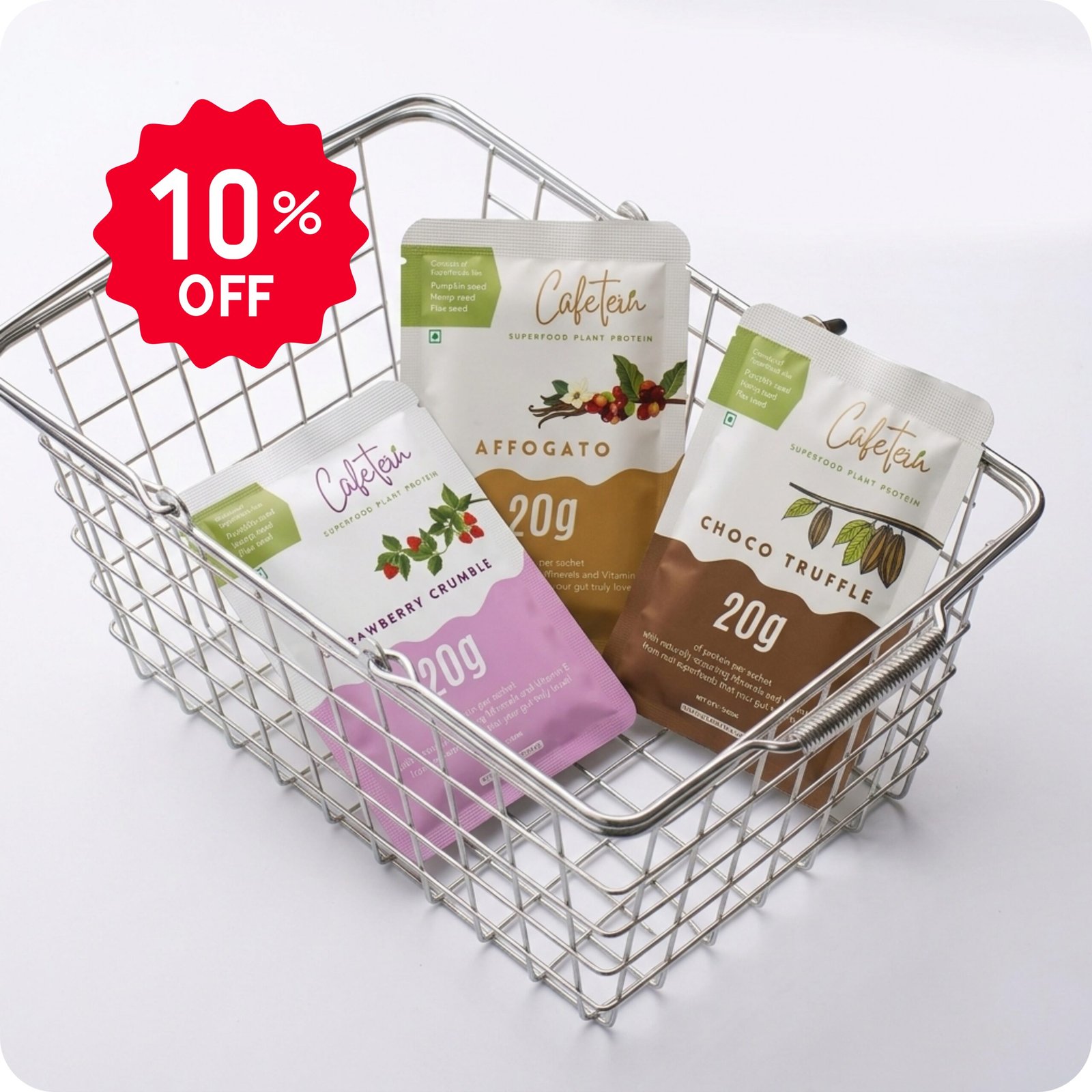
How Cafetein Fits Into Protein Timing
Cafetein is designed around exactly this idea. A 33 g serving provides 20 g of protein, making it convenient to use as part of your daily protein intake. You could have it:
After training
when you want a convenient post-workout protein source.
Between meals
when your lunch or dinner is relatively low in protein.
At breakfast
if your normal breakfast doesn’t provide much protein.
Or simply whenever your daily diet needs a convenient protein boost. There is no special “Cafetein timing.” Because protein doesn’t need a brand-specific clock. Your diet does.
The Simple Answer
So, what is the best time to take protein?
There isn’t one magical time.
If you’re trying to build or maintain muscle, prioritize your nutrition in this order:
1. Get enough total protein.
2. Consume protein consistently across the day.
3. Include protein around your training when convenient.
4. Choose protein sources that fit your diet and preferences.
5. Don’t obsess over a 30-minute post-workout window.
If you finish your workout and drink a protein shake immediately, great. If you finish your workout, shower, travel home and eat a protein-rich meal an hour or two later, that’s also fine. Your muscles aren’t checking the clock.
Final Takeaway
Protein timing matters, but protein timing is not more important than protein intake. You don’t need to restructure your entire life around a protein shake. Get your daily protein target right.
Eat protein consistently.
Train properly.
Recover.
Sleep.
And then use protein timing as a tool to make those habits easier—not as another thing to obsess over. Because the best nutrition strategy isn’t the one that looks perfect on Instagram. It’s the one you can actually follow every day.
Frequently Asked Questions
There is no single best time for everyone. Getting enough total protein throughout the day is more important than taking protein at one specific time. Protein around your workout can be convenient, but it doesn’t need to be consumed within a strict 30-minute window.
Either can work. Having protein before or after training can contribute to your overall protein intake and provide amino acids around exercise. If you’ve eaten a protein-rich meal before training, there may be less urgency to consume protein immediately afterward.
No. The idea that you must consume protein within exactly 30 minutes of finishing your workout is an oversimplification. Your overall daily protein intake and distribution are more important.
Yes. Protein before sleep can be a convenient way to increase daily protein intake and has been studied in relation to overnight muscle protein synthesis. However, it isn’t mandatory for muscle growth.
Yes, if protein powder is helping you meet your normal protein target. Your body continues recovering and maintaining tissues on rest days.
Absolutely. A protein-rich breakfast can help distribute your daily protein intake across the day.
Yes. The number of protein servings you use should depend on your total daily protein requirement and how much protein you’re getting from normal food.
There isn’t a simple 20- or 30-gram absorption limit. Your digestive system can digest and absorb considerably more than that. However, the amount of protein that maximally stimulates muscle protein synthesis in a single meal varies between individuals and circumstances.
No. A normal protein-rich meal can work perfectly well. Protein powder is mainly useful for convenience.
The same fundamental principle applies: total daily protein and the quality and distribution of protein sources matter. People following plant-based diets may benefit from paying attention to protein quantity and amino-acid profiles because different plant proteins have different characteristics.